A Smithtown photographer explains why many Long Island professionals still invest in real portraits.
Key Takeaways
- People form an impression of a face in about 100 milliseconds, meaning your headshot often shapes trust before someone reads anything about you.
- AI headshots may look convenient, but they often miss subtle details like natural expression, accurate lighting, and realistic body proportions.
- A professional headshot session includes consultation, posing guidance, and professional hair and makeup, helping clients relax and look their best.
- AI-generated images are often not suitable for high-resolution printing, which can be a problem for lawn signs, banners, and marketing materials.
- A real portrait captures authentic personality and confidence, helping professionals appear trustworthy and credible online.
Research from Princeton University found that people form an impression of a face in about 100 milliseconds. That is one-tenth of a second, less than the time it takes to blink. Before someone reads your bio, reviews your credentials, or learns anything about your business, their brain has already started deciding whether you appear trustworthy, competent, and someone they would want to work with.
In other words, people are already forming an opinion about you before they even finish blinking. That is why the photos representing you online matter far more than most people realize. In many cases, they become the first factor people use when deciding whether or not to hire you.
The challenge is that most people say the same thing when it comes to having their photo taken. They hate it. When someone books a session with me, the conversation almost always starts the same way. They say, “I need an updated headshot, but I hate having my picture taken.” Attorneys say it. Real estate agents say it. Business owners say it. Almost everyone assumes they are not photogenic.
What they usually do not realize is that the pressure is not really on them. It is on me. My job is to make them look photogenic.
My clients say this in their reviews too. Allison M. wrote, “I absolutely hate getting my pictures taken and I always feel so awkward when smiling, but Sara helped me feel confident in my own skin and like a super star.” Another client, Elizabeth S., shared, “I am a person who is not comfortable having her photograph taken. I’ve been told all of my life that I’m stiff in photos. Sara made me feel comfortable as soon as I entered her studio, and put me so at ease that my smiles were very natural.”
Most clients understand that their photo represents them online. What they are not sure about is how to get an image that looks professional and still feels like them.
That uncertainty is why many professionals start weighing their options. The wrong photo can quietly work against you. Should they invest in a professional headshot, or try one of the new AI tools that promise to generate one in minutes?
AI headshots are suddenly everywhere. Upload a few selfies and a program can produce an image almost instantly.
On the surface, that sounds pretty appealing. Quick, easy, done. But when something sounds too good to be true, it usually is.
The algorithm is doing a lot of guesswork. Maybe the smile or teeth are not quite your own. Maybe the expression does not fit the context. Maybe your facial features or body proportions are slightly off. Something about the image just does not quite look like you.
Efficient? Sure. Accurate? Not usually. Human? Definitely not.
As a headshot photographer based in Smithtown who works with professionals throughout Long Island every week, I see firsthand how much a great portrait can influence the way people perceive your business.
After years of working as a personal branding and headshot photographer and photographing hundreds of professionals across Long Island, I can tell you this: AI images often miss the small details that make a portrait feel natural and authentic. The lighting may feel unnatural, the eyes can look strange or lifeless, and the pose may miss the mark. You may even discover an extra finger you did not know you had. I have seen that happen more times than I can count. On my own ten fingers.
Most people cannot always explain exactly what is wrong when they see these images. They just sense that something does not look or feel quite right. Sometimes it is subtle. Sometimes it is painfully obvious.

Here Are Five Reasons Many Professionals Decide to Invest a Professional Photographer
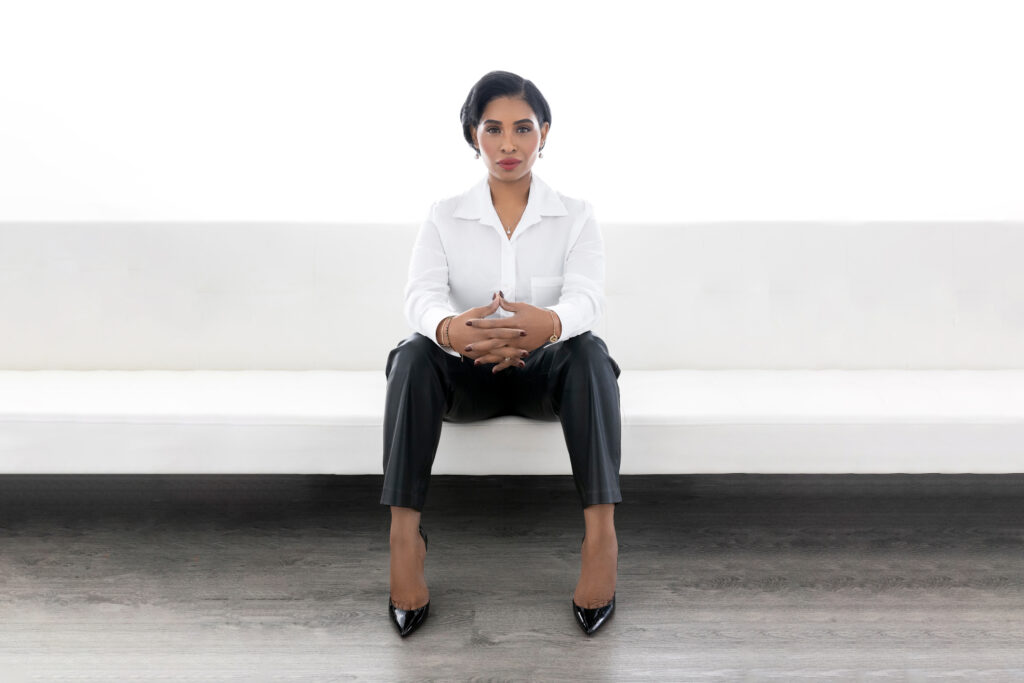
1) A real photographer actually gets to know you first. Professional headshots should never feel like a quick transaction. Before a portrait session, we have a conversation about what the photos are for and what kind of impression you want to make. A law firm website has a different tone than a real estate marketing campaign. Someone building a personal brand may want something completely different from someone updating a LinkedIn profile photo. Understanding that helps shape the entire shoot. It also helps me understand how you want people to perceive you. A therapist may want to appear empathetic and calm. An attorney often wants to project competence and authority. Real estate agents typically want to appear approachable and confident, someone clients feel comfortable trusting with one of their biggest investments. That part matters more than people think. As Scott P. put it in his review, “She really takes the time to map out each shot to reflect your brand and personality.” Another client, Allison M., wrote that I was able to “translate my business into beautiful images just with a brief conversation.”
AI skips that entire step. It only generates images based on the photos you upload. It does not ask questions about your business or the clients you want to attract. A real photo session begins with a conversation.
That human connection ends up influencing everything that follows.
2) The session starts with professional hair and makeup. One thing that surprises many people is that, as a photographer, I believe every session should include professional hair and makeup services. My female clients especially love this part of the experience. It is a chance to relax, feel taken care of, and ease into the session before the camera ever comes out. And yes, my male clients get the same treatment. And no, we are not turning anyone into RuPaul. Think more along the lines of what actors, news anchors, or public speakers wear on camera. It is subtle. The goal is simply to even out skin tone, reduce shine, and make sure you look polished and well rested.
Clients notice the difference. Stephanie M. wrote that the makeup application was “just enough but not a glamour shot thankfully,” and Michelle C. shared that she felt “comfortable and at ease while being pampered with makeup and hair artists.”
This part of the process serves another purpose too. It helps people warm up to the experience. Sitting in the chair for hair and makeup gives you time to relax, get comfortable, and ease into the photo session.
3) Expression is everything to a photographer, and AI struggles to deliver on that. The most important part of a professional headshot is not the lighting or the background. It is the expression.
There is a moment during almost every session when someone finally relaxes. You can see it happen. Their shoulders drop, the smile becomes natural, and suddenly the photo looks authentic instead of posed. That moment cannot be generated from a batch of selfies. Sometimes it happens because we are talking about their business. Sometimes it happens because something funny happens during the shoot. Either way, the camera is ready when it does.
AI can create an image. Capturing genuine human expression is much harder.
And if the expression feels slightly off, people notice. They may not know why. They just know something feels a little strange. You want people thinking “professional and trustworthy.” Not “this person might have been created by a robot.”
4) Lighting, posing, and body proportions still matter. Lighting is one of the most important elements in portrait photography, even though most people do not consciously notice it. Good lighting can make someone look confident, approachable, and polished. Poor lighting can make someone look tired or harsh.
In the studio, lighting is adjusted specifically for the person in front of the camera. Face shape matters. Skin tone matters. Even wardrobe choices can affect how the light should be positioned. For example, someone wearing glasses often needs a slightly different light angle to avoid glare. Someone with smile lines may benefit from softer lighting. These are decisions a professional photographer makes in real time during a session.
There is another issue AI still struggles with. Body proportions. Hands are a common giveaway. Fingers can look slightly distorted, overly long, or positioned in ways that feel unnatural. Shoulders sometimes appear uneven. Arms can look oddly shaped or slightly disconnected from the body. Most people cannot immediately explain what is wrong when they see these images. They just sense that something looks a little off.
During a real session, posing is adjusted constantly. The position of the hands, the angle of the shoulders, the placement of the arms. Small changes make a big difference in how natural and confident someone looks.
AI systems are essentially guessing based on the images you upload. Sometimes the results look convincing at first glance. Other times the hands look like they belong to a completely different person.
There is another practical issue many people do not realize until later. Most AI-generated headshots are not created at a resolution suitable for professional printing. They may look acceptable on a small LinkedIn profile photo, but they often fall apart when used for larger marketing materials. Real estate agents who need lawn signs, speakers who need banners for conferences, or businesses that print brochures and advertisements need high-resolution images that hold up in print. A professional photographer provides files that are built for those uses from the start.
5) Your photo represents your reputation. For professionals, a headshot is not just a picture. It is often the first impression someone has of you. Attorneys appear on firm websites. Real estate agents show up on property listings. Local business owners are featured in search results, press mentions, and social media profiles.
As I mentioned, people make quick judgments. It’s just science. A polished, authentic portrait signals credibility and professionalism. An image that looks slightly artificial can create the opposite impression, even if viewers cannot immediately explain why.
When someone is deciding who to trust with a legal case, a property purchase, or an important service, small details matter.
Your photo is one of those details.
And if your photo looks like it was generated by a computer that has never actually met a human, that impression may not be the one you were hoping for.
My Photographer Takeaway
AI tools are improving quickly. They can be useful in many situations. But when your professional reputation is connected to your image, a real headshot still has a clear advantage. A professional session includes conversation, preparation, professional hair and makeup, and guidance throughout the shoot. There is a real human connection involved, and that connection often shows up in the final image. There is also something surprisingly powerful about seeing a great photograph of yourself. Not an AI interpretation. Not a computer-generated version of you. An actual photograph of the real you looking confident, polished, and professional.
For many people, that moment is even a little transformative. They see themselves differently. They start showing up differently too. More confident in meetings. More comfortable putting their face on social media and their website. More willing to step forward as the face of their business. As Christina M. wrote after her session, “The photos are absolutely stunning. They capture exactly the professional, confident look I was hoping for.”
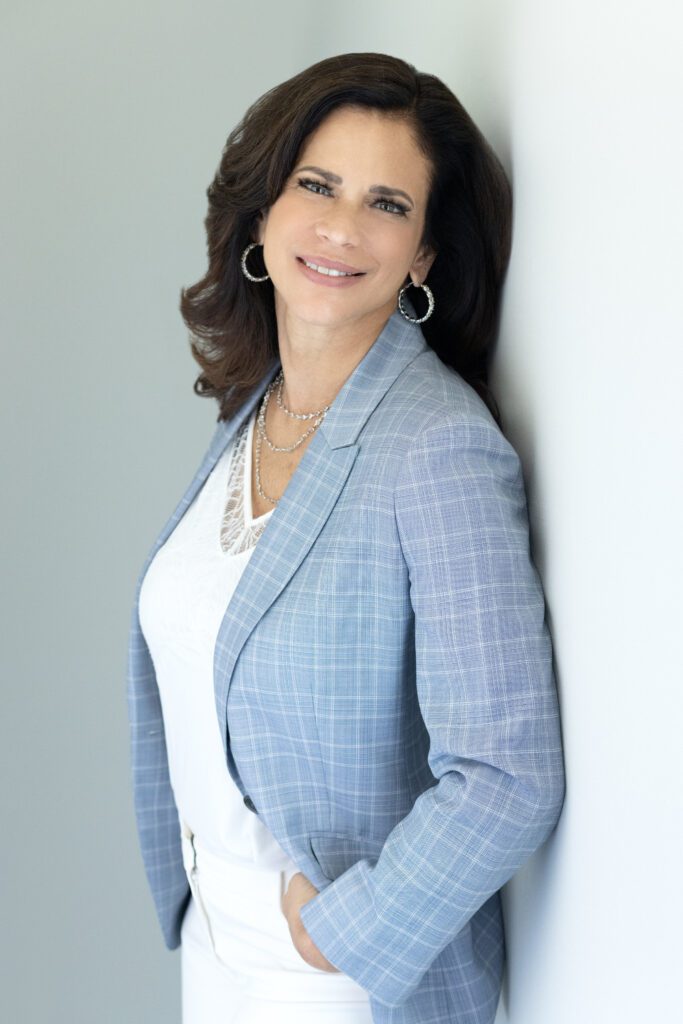
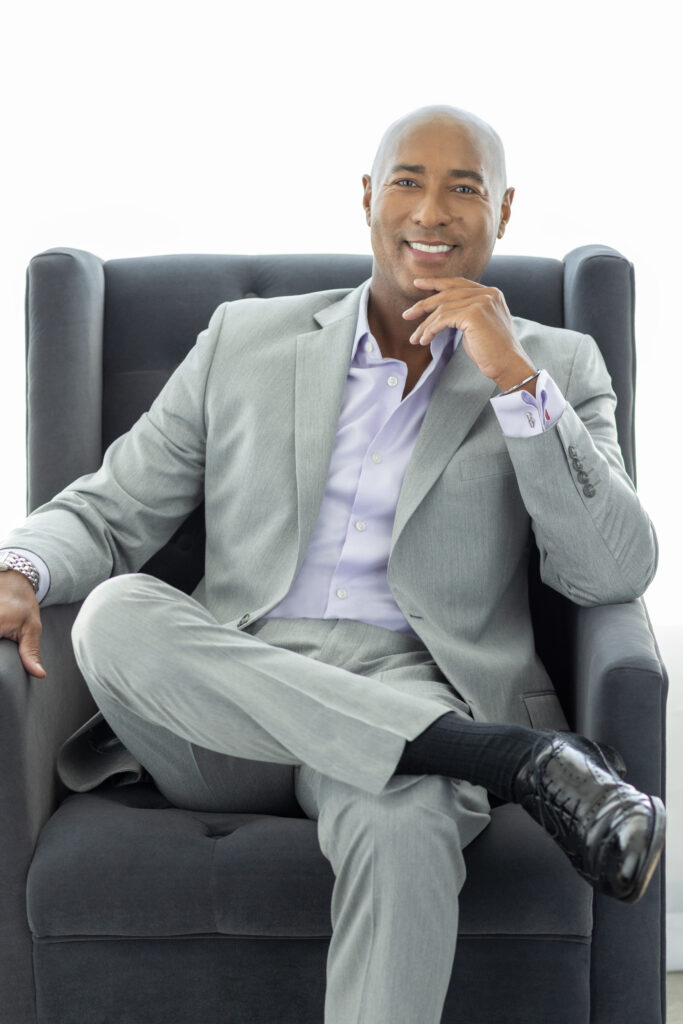
As a Long Island photographer, I see it happen all the time. People begin the process a little unsure. By the end of the session they are standing a little taller and actually enjoying the experience. There is also a small bonus that clients rarely expect. Once you learn a few simple posing tricks, you will probably start using them everywhere. In photos with friends. At family events. On vacation. Do not be surprised if people start asking why you suddenly look so good in every picture. Or if they get a little jealous. Because when someone searches your name online, the goal is simple.
You want them to see the real you. Confident. Authentic. And someone they trust.
For many professionals, that realization is exactly what finally convinces them to invest in a real headshot.